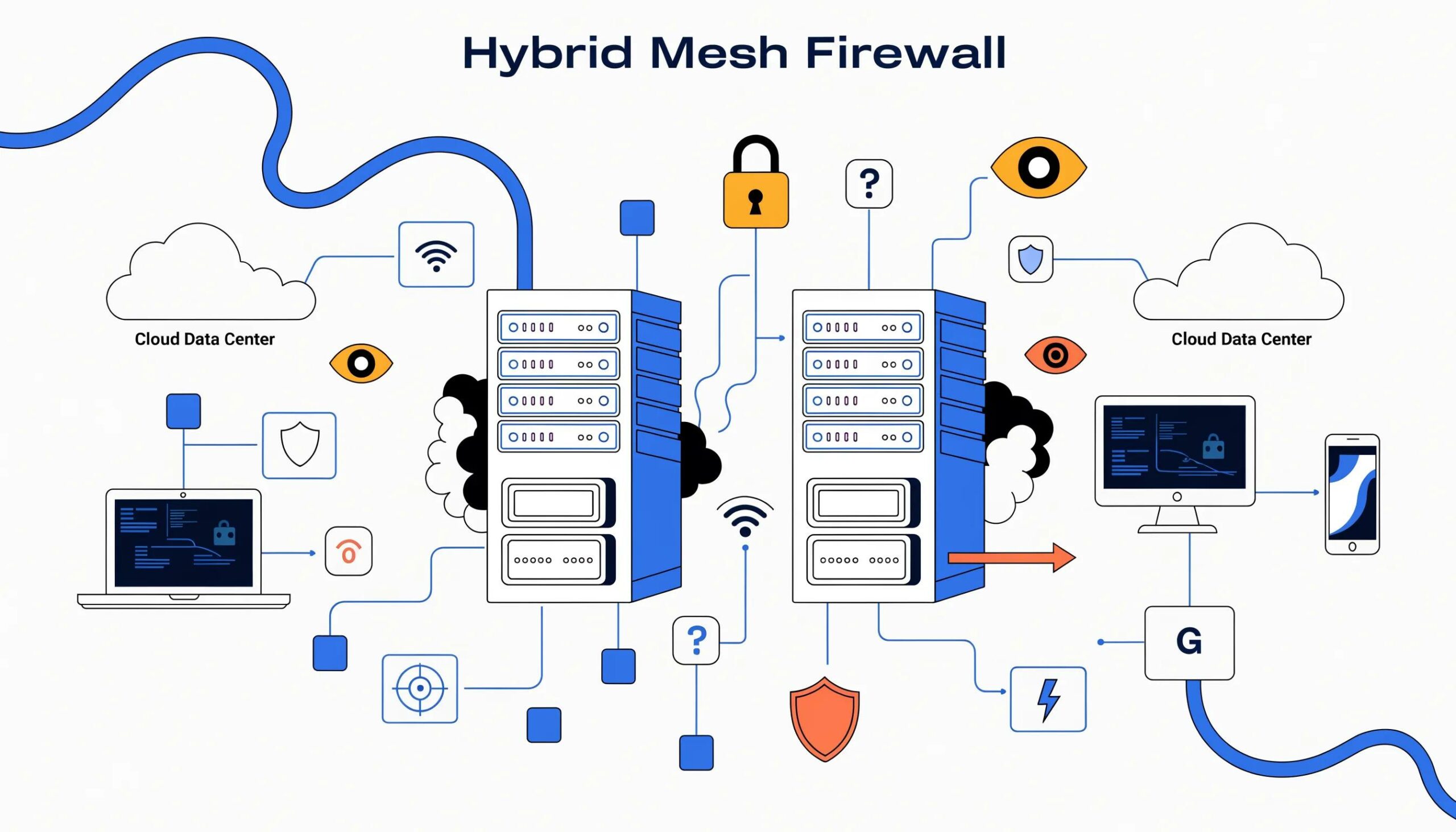
Unlocking Secure Networks with Hybrid Mesh Firewalls: Enterprise Firewall Solutions for Robust Network Protection
By Hamza Khalid, Cisco – Global Home Page
As enterprises increasingly adopt hybrid infrastructures, the security of their networks becomes paramount. Hybrid mesh firewalls stand out as a modern solution by combining the best features of both traditional and next-gen firewalls. This article explores the architecture of hybrid mesh firewalls, emphasizing their functionality, key components, and integration with cloud security to enhance overall network protection. Readers will understand how hybrid firewalls cater to the layered security needs of enterprises, ensuring robust protection against evolving cyber threats. Insightfully, we will detail how companies can adopt these solutions and the various features offered by the Cisco Secure Firewall portfolio, providing actionable steps for organizations looking to improve their cybersecurity posture.
Organizations today face myriad cybersecurity challenges, necessitating a strategic focus on both network segmentation and threat detection. Hybrid mesh firewalls not only enable effective network segmentation but also support the implementation of zero trust security principles. This article will delve into these themes, covering essential aspects such as the architecture of hybrid mesh firewalls and their benefits, specifically in an enterprise context.
Key Takeaways
- Hybrid mesh firewalls combine traditional and next-generation features for comprehensive enterprise network security.
- These firewalls enable advanced network segmentation and enforce zero trust principles to minimize lateral threat movement.
- Centralized management interfaces simplify policy enforcement and monitoring across diverse hybrid environments.
- AI-driven threat protection provides real-time detection and dynamic response to evolving cyber threats.
- Cisco Secure Firewall portfolio integrates hybrid mesh firewalls with enhanced threat intelligence and scalable security solutions.
- Cloud-native automation and robust segmentation support seamless scalability and security in cloud and on-premise networks.
- Integrating cloud and endpoint security with hybrid firewalls ensures unified, adaptable protection for hybrid infrastructures.
- Best practices for deployment include thorough network assessment, defined segmentation policies, and continuous monitoring.
- Enterprises can access Cisco’s support, trials, and client engagement to optimize hybrid mesh firewall adoption.
What Is Hybrid Mesh Firewall Architecture and Why Is It Essential for Mesh Network Security?
Hybrid mesh firewall architecture integrates multiple firewall functionalities—traditional and next-generation—creating a versatile defense mechanism against cyber threats. This approach allows for advanced threat response capabilities while maintaining ease of management across diverse network environments. The architecture is built around a unified platform that offers centralized management, making it essential for enterprises seeking cohesive security solutions.
As complex network demands increase, the necessity for scalable and adaptive security measures becomes crucial. Hybrid mesh firewalls ensure continuous protection by employing AI-driven security features and centralized coordination, crucial factors for dynamic and varied traffic environments. These characteristics help organizations maintain superior security without compromising performance.
Additionally, Cisco’s solutions provide seamless integration with their Secure Firewall portfolio, enhancing usability and functionality. This integration allows enterprises to leverage existing infrastructure while modernizing their security approach, guaranteeing a robust network that can adapt to evolving external threats.
How Does Hybrid Firewall Architecture Enhance Network Segmentation Firewalls?
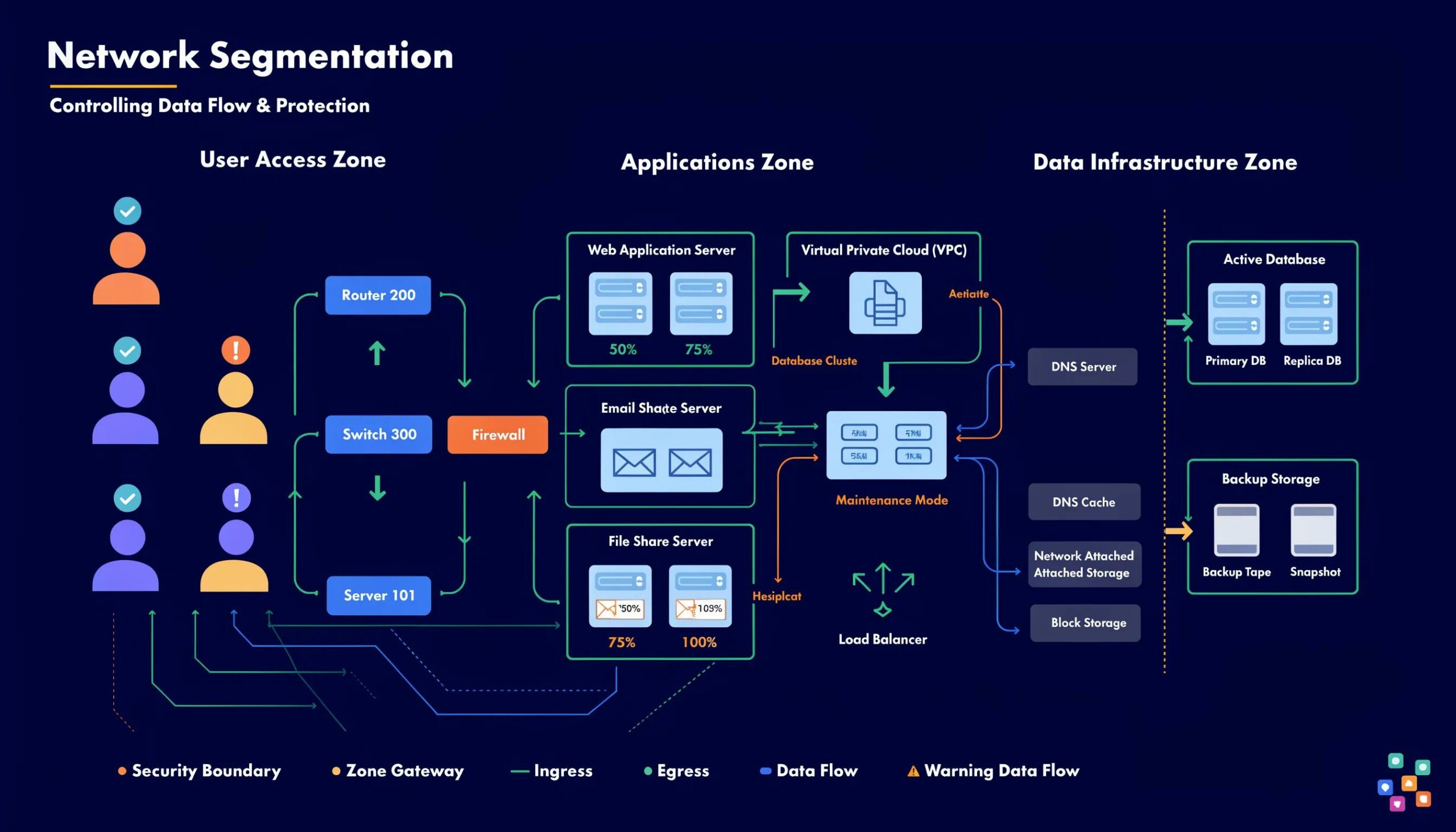
Network segmentation is pivotal in modern cybersecurity protocols, effectively minimizing lateral movement among interconnected systems. Hybrid firewall architecture enhances segmentation through advanced policy management and micro-segmentation capabilities, allowing organizations to enforce stricter controls over data traffic between segments.
The combination of macro and micro-segmentation provides a layered defense, which is critical in protecting sensitive data across various applications. By segmenting the network, hybrid firewalls not only restrict access but also isolate potential threats, containing breaches before they escalate into significant incidents. This proactive approach strengthens security around critical applications and data repositories.
Moreover, the implementation of zero trust principles in a hybrid firewall architecture establishes that trust is never implicit; every request must be verified, thereby fortifying defenses against insider threats and unauthorized access paths. The official Cisco website offers further insights into these advanced security concepts.
What Are the Key Components of Hybrid Mesh Firewalls in Enterprise Settings?
Hybrid mesh firewalls incorporate several vital components that collectively enhance enterprise network security:
- Unified Management Interface: Centralizes control for ease of policy enforcement and monitoring across different environments.
- Advanced Segmentation Features: Facilitates comprehensive protection by enabling micro-segmentation, ensuring that each application can be isolated and secured independently.
- AI-Driven Threat Protection: Leverages machine learning to identify and neutralize threats in real-time, offering dynamic defense capabilities.
Each of these components plays a critical role in allowing enterprises to adapt quickly to changing security needs, providing a robust framework for managing diverse threat landscapes.
How Does the Cisco Secure Firewall Portfolio Address Hybrid Mesh Firewall Needs?
The Cisco Secure Firewall portfolio is designed explicitly to meet the demands of hybrid mesh firewall architecture. Its integration of Cisco SecureX provides enhanced visibility and controls, allowing organizations to manage hybrid environments effectively. This integration offers several key features:
- Enhanced Threat Intelligence: Leverages extensive threat intelligence to provide proactive insights and automated responses.
- Scalability and Flexibility: Adapts to growing enterprise needs, accommodating more devices without compromising performance.
- Unified Security Policies: Simplifies management across diverse environments, ensuring consistent security protocols are in place.
By employing these features, enterprises can fortify their defenses against sophisticated cyber threats while maintaining a flexible, adaptable security posture.
Which Features of Cisco Secure Firewall Support Scalable and Cloud Integrated Firewalls?

The Cisco Secure Firewall is lauded for its versatile features that ensure seamless scalability and cloud integration:
- Cloud-Native Automation: Streamlines firewall management by automating routine tasks, allowing IT teams to focus on strategic initiatives.
- Robust Segmentation: Facilitates comprehensive segmentation practices across both on-premise and cloud environments, bolstering overall security frameworks.
- Enhanced Threat Protection: Utilizes advanced analytics and machine learning to refine threat detection and response processes.
As businesses increasingly migrate to cloud environments, these features empower organizations to maintain high levels of security, regardless of their operational landscape.
How Can Organizations Integrate Cloud and Endpoint Security with Hybrid Mesh Firewalls?
Integrating cloud and endpoint security with hybrid mesh firewalls involves strategic planning and deployment to achieve comprehensive protection. Organizations can enhance their network security through several approaches:
- Centralized Management Benefits: Implement unified management systems that consolidate control over both on-premise and cloud security solutions.
- Integration with Existing Infrastructure: Ensure that new security measures complement existing setups, simplifying transitions and improving overall efficacy.
- Automation and Scalability: Utilize automated tools to scale security measures in line with organizational growth, safeguarding against emerging threats at every level.
These strategies provide a robust framework for organizations looking to achieve holistic protection within their hybrid infrastructures.
What Are the Benefits of Cloud-Integrated Firewalls within Hybrid Mesh Architectures?
Cloud-integrated firewalls bolster hybrid mesh architectures significantly, offering a myriad of advantages:
- Unified Management: Streamlines security operations, allowing for simplified policy enforcement and monitoring.
- Operational Efficiency: Reduces overhead through automation and real-time threat intelligence delivery, which enhances response times.
- Improved Security Posture: Increases the robustness of defenses through enhanced visibility and control, allowing organizations to respond agilely to threats.
The synergy between hybrid architectures and cloud-integrated firewalls results in a security framework that is not only resilient but also highly adaptive, meeting the evolving demands of modern enterprises.
Where Can Enterprises Access Support, Trials, and Buying Options for Cisco Hybrid Mesh Firewall Solutions?
Enterprises interested in implementing Cisco’s hybrid mesh firewall solutions can benefit from comprehensive support systems that include trial options and customer engagement strategies. Cisco provides several avenues for organizations to evaluate their products, ensuring potential users can ascertain compatibility with specific security needs.
- Trial Options Available: Organizations are encouraged to explore trial periods, allowing them to assess product features in realistic scenarios.
- Support Resources from Cisco: Extensive support documentation and customer service channels are available to assist in deploying hybrid mesh firewall solutions effectively.
- Client Engagement Strategies: Cisco offers proactive engagement with clients, ensuring continual alignment with their evolving security requirements.
Leveraging these resources ensures that enterprises can make informed decisions that enhance their network security effectively.
Best Practices for Deploying Hybrid Mesh Firewalls in Enterprise Networks
Implementing hybrid mesh firewalls requires a strategic approach to maximize efficiency and security. Best practices include:
- Assessment of Network Architecture: A thorough assessment of existing network architectures is crucial to determine the integration points for hybrid firewall deployment.
- Define Segmentation Policies: Careful planning of segmentation policies ensures that all security measures are tailored to the specific needs of applications and data.
- Monitor and Adjust Policies: Continual monitoring of network performance and threat activities enables adjustments to policies, ensuring ongoing protection against potential threats.
Adopting these best practices facilitates the successful deployment of hybrid mesh firewalls, ensuring an elevated cybersecurity posture.
What Are the Features of Cisco Secure Firewall?
Cisco Secure Firewall incorporates several distinctive features that enhance its appeal to enterprises looking for effective security solutions:
- Unified Management Interface: Centralizes security management, allowing easier policy enforcement across hybrid environments.
- Advanced Threat Protection: Provides real-time threat detection capabilities backed by extensive threat intelligence.
- Scalability and Adaptability: Ensures flexibility in deployment, accommodating evolving network sizes and complexities without compromising security.
This combination of features makes Cisco Secure Firewall a leading choice for organizations looking to bolster their cybersecurity frameworks.
Frequently Asked Questions
1. How do hybrid mesh firewalls differ from traditional firewalls?
Hybrid mesh firewalls integrate features from both traditional firewalls and next-generation firewalls, creating a more versatile defense system. Unlike traditional firewalls, which primarily focus on perimeter security, hybrid firewalls combine advanced capabilities such as AI-driven threat protection and deeper traffic analysis. They also support zero trust security principles and enable micro-segmentation to minimize internal threats. This combination significantly enhances an organization’s ability to detect and respond to sophisticated cyber threats in real time.
2. What specific security challenges do hybrid mesh firewalls address?
Hybrid mesh firewalls address multiple security challenges, particularly in complex enterprise environments. They effectively manage network segmentation to prevent lateral movements of threats between segments and support zero trust principles, ensuring that every request for access is verified. Additionally, these firewalls enhance visibility across hybrid infrastructures, enabling real-time adaptive threat response. This multifaceted approach is crucial in sectors facing advanced persistent threats and evolving cyber attacks.
3. What steps are involved in adopting hybrid mesh firewalls?
Adopting hybrid mesh firewalls involves several crucial steps: first, conduct a thorough assessment of your existing network architecture to identify integration points. Next, define clear segmentation policies to enhance security controls over data traffic. Then, deploy the firewall while considering your organization’s unique needs, using trial periods to evaluate effectiveness. Finally, establish continual monitoring and policy adjustments based on threat activities to ensure sustained security improvements.
4. Can hybrid mesh firewalls be integrated with existing security solutions?
Yes, hybrid mesh firewalls are designed to be compatible with existing security solutions. This integration is achieved through unified management interfaces that facilitate streamlined operations and policy enforcement across diverse environments. Organizations can leverage their current infrastructure while deploying hybrid firewalls, allowing for enhanced security capabilities without the need for a complete overhaul. This flexibility is essential for businesses looking to upgrade their defenses in stages.
5. What role does AI play in hybrid mesh firewalls?
AI plays a critical role in hybrid mesh firewalls by enhancing threat detection and response capabilities. Utilizing machine learning algorithms, these firewalls can analyze patterns in network traffic and identify anomalies indicative of cyber threats. This real-time analysis allows for dynamic defenses that adapt as threats evolve, minimizing the risk of breaches. AI-driven features contribute significantly to the overall efficacy of security measures, providing proactive rather than reactive protection.
6. How do hybrid mesh firewalls support scalability in growing enterprises?
Hybrid mesh firewalls support scalability for growing enterprises through features like cloud-native automation and robust segmentation. As businesses expand, these firewalls can seamlessly accommodate increased network traffic and more devices without compromising performance. Their ability to automate routine security tasks allows IT teams to focus on strategic initiatives, ensuring security measures remain effective even as organizational demands change. This flexibility makes them ideal for businesses adapting to rapid growth or changes in infrastructure.
7. What are best practices for managing hybrid mesh firewalls post-deployment?
After deploying hybrid mesh firewalls, best practices for management include continuous monitoring of network performance and threats to adjust policies effectively. Regularly assess segmentation strategies and ensure they align with evolving data protection needs. Additionally, invest in training for staff to enhance understanding of firewall functionalities and optimize deployment. These practices will help maintain a strong cybersecurity posture and quickly address potential vulnerabilities in an ever-changing threat landscape.
Conclusion
Implementing hybrid mesh firewalls empowers enterprises to fortify their network security with advanced threat protection and seamless scalability. These solutions enable comprehensive segmentation while adhering to zero trust principles, ensuring robust defenses against evolving cyber threats. By leveraging the capabilities of the Cisco Secure Firewall portfolio, organizations can enhance their cybersecurity posture effectively. Explore how these transformative solutions can elevate your network security by visiting our resource page today.