E2E QA Smoke: Key Sustainable Modern Architecture Trends for 2026
By Test Test, Test
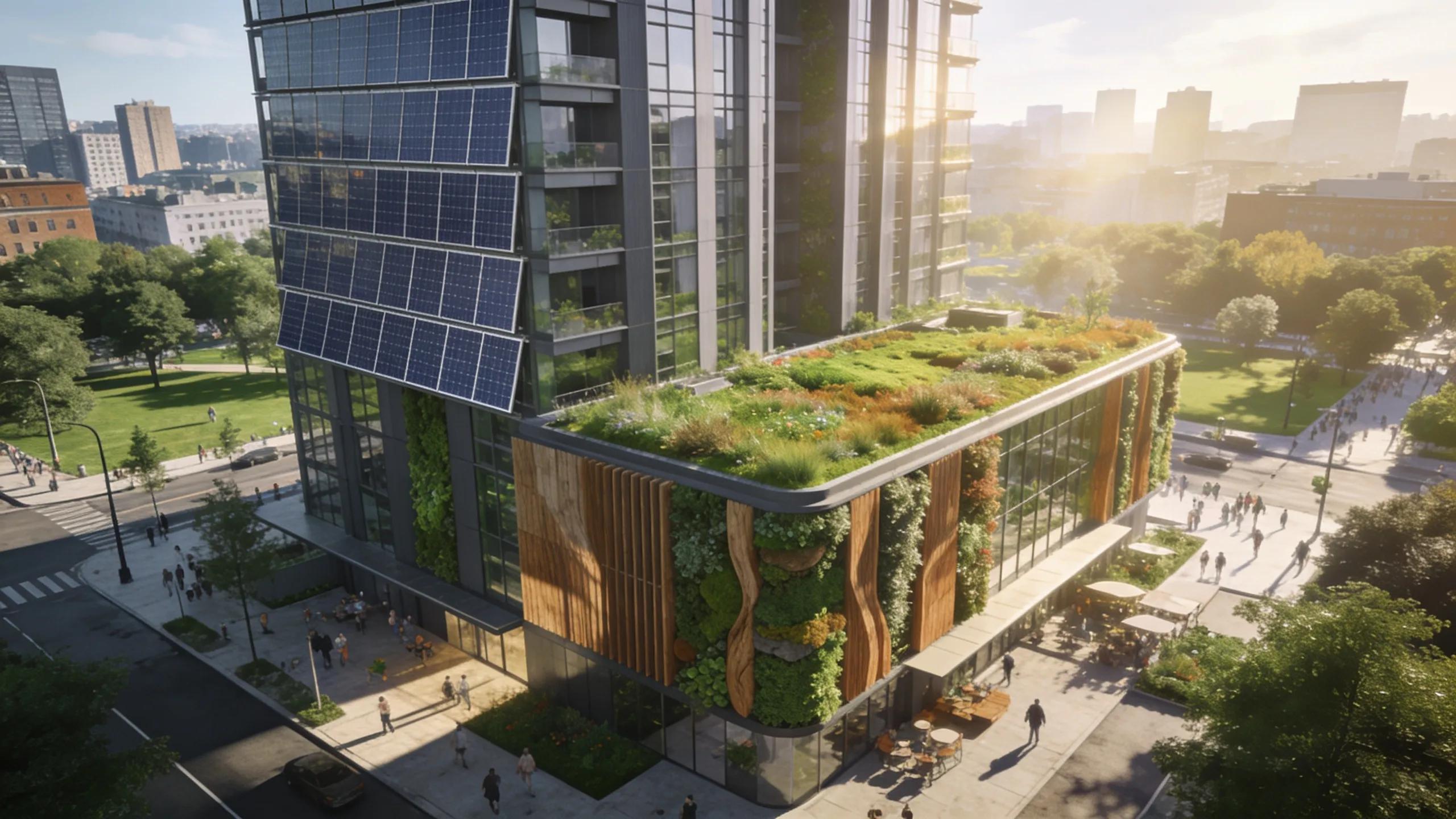
As we approach 2026, sustainable architecture is becoming an integral part of modern building design, reflecting a growing awareness of environmental impact among architects, builders, and homeowners. Significant advancements in sustainable materials, energy-efficient technologies, and design philosophies are reshaping our urban landscapes. This article elucidates the pivotal trends defining sustainable architecture in 2026, emphasizing the core concepts of sustainability and their implications for future building practices. With many individuals concerned about climate change and resource depletion, these architecture trends offer innovative solutions. Key sections will explore net-zero buildings, biophilic architecture, green materials, energy efficiency, certification standards, and the influence of a circular economy.
What Are the Leading Sustainable Architecture Trends in 2026?
The key trends shaping sustainable architecture in 2026 revolve around innovation and adaptation to environmental challenges. Architects and designers are increasingly prioritizing sustainability by focusing on efficient energy usage, the application of eco-friendly materials, and creating environments that foster well-being. Notable trends include:
- Net Zero Buildings: Aiming for a balance between the energy they consume and the renewable energy they generate.
- Biophilic Design: Incorporating nature into building designs to enhance occupants’ health and well-being.
- Green Building Materials: Utilization of sustainable materials that minimize environmental impact.
Understanding these trends allows stakeholders to align their projects with modern environmental standards and societal expectations.
How Do Net Zero Buildings Define Modern Sustainable Design?
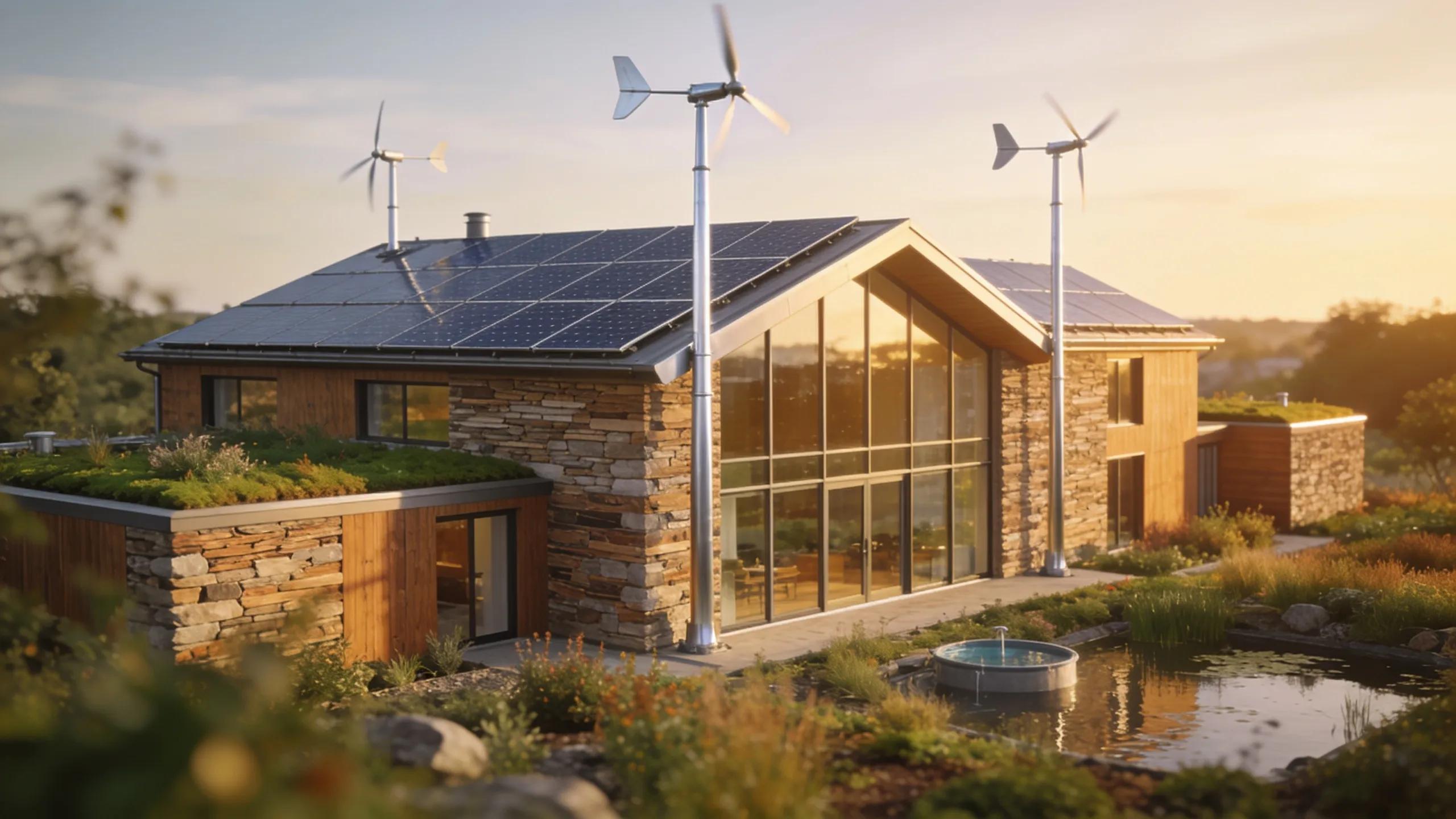
Net zero buildings are defined as structures that produce as much energy as they consume over the course of a year. This is achieved through high levels of energy efficiency and the incorporation of onsite renewable energy production. The implication of these designs is significant—homes and commercial spaces can coexist harmoniously with the environment, significantly reducing the carbon footprint. This trend has gained traction, evident in various landmark projects utilizing solar panels and energy-saving technologies.
What Role Does Biophilic Architecture Play in 2026 Trends?
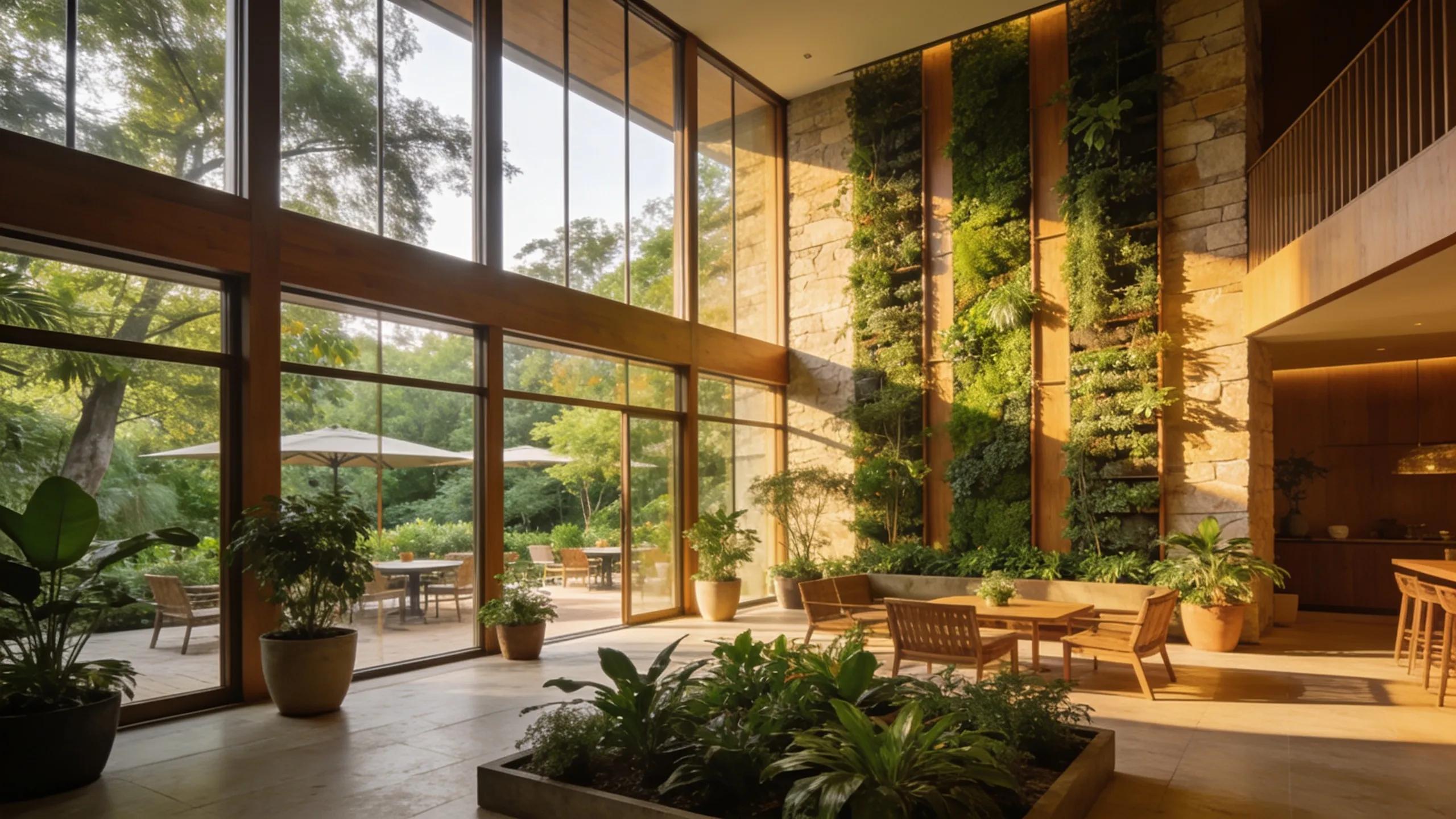
Biophilic architecture emphasizes the integration of nature into modern building designs, fostering a connection between occupants and the natural world. This design philosophy promotes health benefits such as reduced stress levels and enhanced creativity. Real-world examples highlight designs with substantial greenery, natural light, and water features. By creating environments that are intrinsically connected to nature, biophilic architecture not only improves quality of life but also contributes to energy efficiency through enhanced thermal performance.
Which Green Building Materials Are Revolutionizing 2026 Architecture?
The evolution of construction is significantly influenced by innovative green building materials, which are designed to minimize environmental impact. Understanding the types of materials utilized in sustainable architecture is crucial for industry professionals.
- Recycled Materials: Utilizing reclaimed resources reduces waste and conserves raw materials.
- Sustainable Lumber: Sourced from responsibly managed forests, this type of wood is critical for reducing deforestation.
- Insulation Materials: Eco-friendly insulation options using naturally occurring substances lower energy consumption significantly.
The incorporation of these materials not only supports sustainability goals but also showcases the potential for high-performance building solutions.
How Are LEED-Certified Materials Impacting Sustainable Construction?
LEED (Leadership in Energy and Environmental Design) certification evaluates and encourages sustainable building practices. Using LEED-certified materials impacts construction positively by ensuring that resources meet rigorous environmental standards. These materials contribute to energy efficiency, occupant health, and overall sustainability in the construction process. They include products like recycled steel and sustainably sourced wood, which mitigate the environmental impact of traditional building materials.
What Are the Benefits of Using Eco-Friendly Building Materials?
Eco-friendly building materials provide numerous benefits beyond simply supporting sustainability. The advantages include:
- Healthier Indoor Air Quality: Natural materials reduce the presence of harmful chemicals and allergens.
- Lower Carbon Footprint: Sourcing local, sustainable materials cuts down transportation emissions.
- Enhanced Durability: Many eco-friendly materials are designed for longevity, thus reducing maintenance costs.
Selecting eco-friendly materials aligns with holistic sustainability practices and promotes the well-being of inhabitants.
How Are Energy-Efficient Design Principles Shaping Modern Architecture?
Energy-efficient design principles focus on optimizing energy use within buildings. Such principles are crucial in creating designs that reduce energy consumption while maintaining comfort and functionality. By implementing design strategies that promote efficiency, architects can significantly lower the energy needs of buildings.
What Smart and Adaptive Building Technologies Improve Energy Use?
Emerging technologies play a pivotal role in improving energy efficiency in modern architecture. Innovations include:
- Smart Thermostats: Automatically adjust heating and cooling based on occupancy patterns.
- LED Lighting Systems: Provide significant energy savings and longevity compared to traditional lighting.
- Solar Panels: Integrated systems that harness renewable energy reduce reliance on non-renewable sources.
These technologies not only enhance building performance but also contribute significantly to the sustainability goals of the architecture.
How Does Renewable Energy Integrate with Sustainable Buildings?
Renewable energy sources such as solar, wind, and geothermal are increasingly being integrated into sustainable architecture. These resources help buildings produce their own energy, thereby achieving net-zero status. Implementing renewable energy systems can substantially reduce operational costs and decrease greenhouse gas emissions. The trend towards energy independence is transforming how buildings are designed and operated.
Which Certification Standards Guide Sustainable Architecture in 2026?
Certification standards serve as benchmarks for assessing the sustainability of building practices. In 2026, the importance of adhering to such standards cannot be understated, as they contribute to the overall credibility of sustainable architecture.
What Are the Differences Between LEED and Passive House Standards?
LEED and Passive House are two leading certification systems, yet they differ in focus and application. LEED concentrates on a range of sustainable practices, including site selection and overall performance, while Passive House emphasizes design that significantly reduces energy consumption through superior insulation and airtightness. Understanding these differences allows architects to choose the certification that aligns best with their project goals.
How Do Certifications Enhance Building Environmental Impact?
Certifications like LEED and Passive House provide a framework that encourages environmentally responsible practices. These certifications enhance a building’s environmental impact by:
- Setting Performance Benchmarks: Standards ensure structures meet safety and sustainability requirements.
- Promoting Transparency: Certifications involve thorough assessments and public documentation of compliance.
- Encouraging Best Practices: The pursuit of certification motivates architects and builders to explore innovative solutions.
By achieving recognized certifications, buildings can also attract more environmentally conscious tenants and investors, thus enhancing value.
What Is the Impact of Circular Economy and Lifecycle Assessment in Building Design?
The circular economy is reshaping how building materials and structures are conceived and managed. In pioneering sustainable architecture for 2026, an emphasis on lifecycle assessments examines the full environmental impact of materials from production to disposal.
How Does Circular Economy Influence Material Selection and Waste Reduction?
The principles of the circular economy focus on designing for longevity, reusability, and recyclability. This approach actively reduces waste, ensuring that materials can be repurposed or recycled without generating landfill waste. Implementing these strategies results in a more sustainable design approach and conserves resources, ultimately benefiting the environment.
Why Is Lifecycle Impact Analysis Critical for Sustainable Architecture?
Lifecycle impact analysis is essential for understanding the long-term consequences of building materials and design choices. Through this analysis, architects can evaluate how different materials and construction methods affect the environment over time. This insight leads to informed decisions that prioritize sustainability throughout a building’s lifespan.
What Future Outlooks and Case Studies Illustrate 2026 Trends?
Looking ahead, various case studies illustrate the potential direction of sustainable architecture. These examples not only highlight successful implementations of sustainable practices but also inspire future innovations.
Which Landmark Projects Exemplify Sustainable Modern Architecture?
Numerous landmark projects demonstrate the principles of sustainable modern architecture. These include designs that integrate advanced technologies and sustainable materials effectively. Notable examples are the Bosco Verticale in Milan, which showcases vertical forests, and the Edge in Amsterdam, reputed for its energy efficiency and smart design principles.
What Innovations Will Drive Sustainable Building Design Beyond 2026?
Anticipating future innovations, the architecture industry is poised for transformative changes, with technologies such as 3D printing and AI-driven design likely to reshape construction. These innovations hold the promise of enhancing efficiency while minimizing resource consumption. As sustainable architecture continues to evolve, the prospects of creating buildings that harmoniously coexist with nature become increasingly feasible.