
How to Choose the Right Cloud Provider in 2026: Comprehensive Guide to Cloud Service Comparison and Decision Making
Selecting the right cloud provider in 2026 is crucial for businesses aiming to optimize their IT infrastructure and enhance operational efficiency. This guide will explore essential considerations such as scalability, security, and pricing models of leading cloud platforms to help you make informed decisions. As companies increasingly rely on cloud technologies to manage workloads, the choices available can be overwhelming. By understanding your business needs, key performance features, and the market landscape, you can better navigate your options in selecting the best cloud providers.
This article will cover the most suitable cloud providers in 2026, including a comparison of their features, an evaluation of security standards, insight into pricing models, and an analysis of vendor lock-in challenges. Lastly, we will discuss emerging trends that could shape your decision-making process.
Key Takeaways
- Choosing the right cloud provider in 2026 requires evaluating scalability, security, pricing, and vendor lock-in risks.
- AWS, Azure, and Google Cloud offer distinct features like auto-scaling, hybrid solutions, and advanced data analytics.
- Security certifications such as ISO 27001, HIPAA, and SOC 2 are essential for ensuring cloud data protection and compliance.
- Pay-as-you-go and subscription pricing models impact cost flexibility and predictability for cloud service users.
- Cost optimization strategies include reserved instances, auditing resource use, and ensuring pricing transparency.
- Vendor lock-in risks can limit flexibility; choosing providers with interoperability options mitigates migration challenges.
- Effective migration involves pilot testing, automated tools, and rollback plans to minimize downtime and data loss.
- Emerging trends like AI integration, edge computing, and sustainability influence cloud provider selection in 2026.
- Multi-cloud and industry-specific solutions help businesses optimize performance, compliance, and operational efficiency.
Which Cloud Providers Lead the Market in 2026? Comparing AWS, Azure, and GCP Features
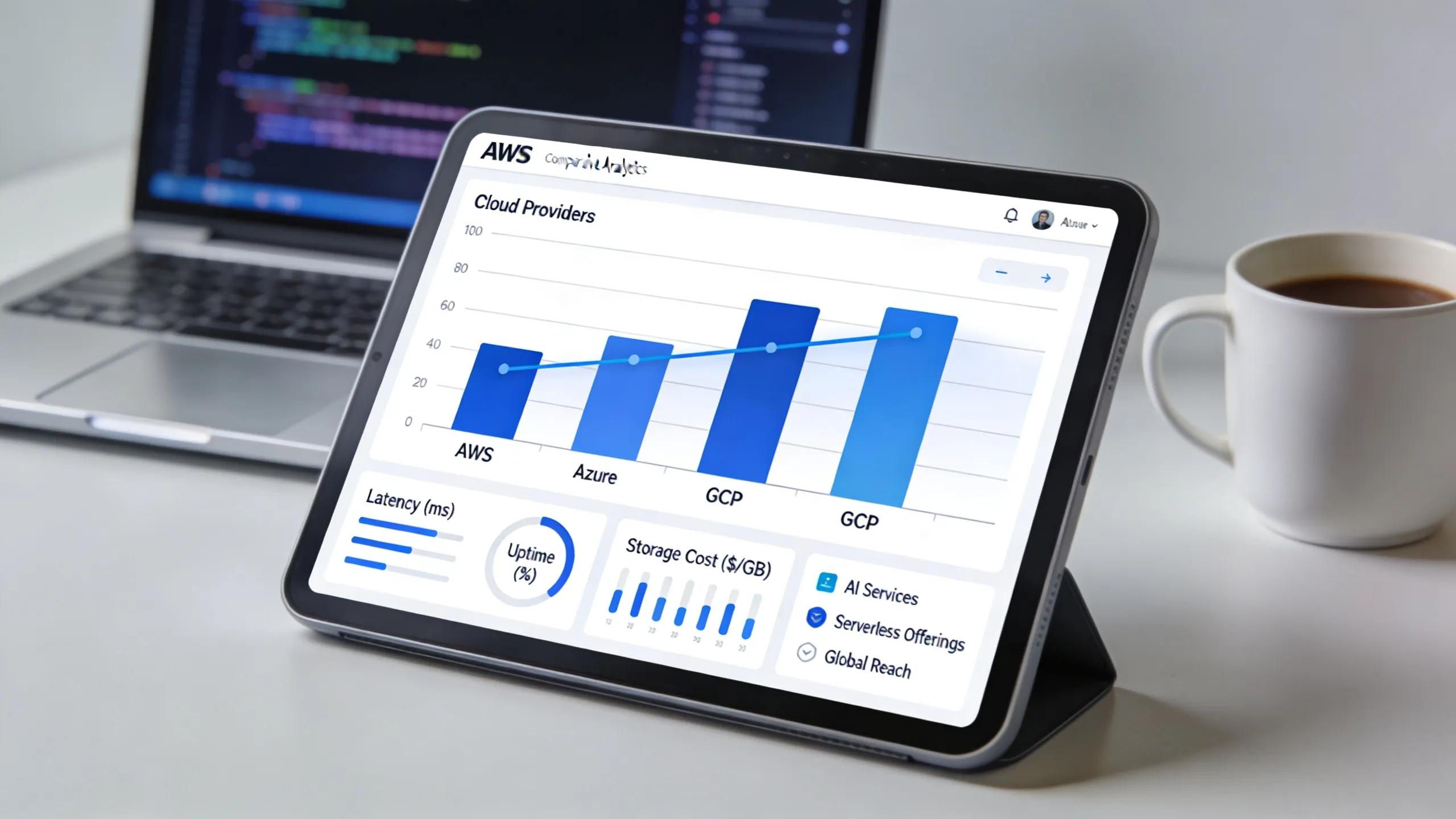
In 2026, the major cloud providers—Amazon Web Services (AWS), Microsoft Azure, and Google Cloud Platform (GCP)—continue to dominate the market with their diverse feature sets, scalability capabilities, and performance metrics. Understanding the nuances of each provider’s offerings is vital for making an informed choice that aligns with your organization’s goals.
What Are the Key Scalability and Performance Features of AWS, Azure, and Google Cloud?
Cloud scalability is vital for businesses experiencing growth or fluctuating workloads. AWS offers auto-scaling options that adjust resources automatically based on demand, ensuring optimal performance. Microsoft Azure provides various scalable solutions, including virtual machines that can scale up or down based on traffic patterns, thereby maintaining efficiency. Google Cloud is notable for its Kubernetes Engine, which simplifies container orchestration, allowing businesses to deploy and manage applications seamlessly across multiple environments. These performance capabilities ensure that organizations can handle varying workloads without facing downtime or performance degradation.
For a deeper dive into the technical benefits and comparative performance of leading cloud platforms, consider the following research.
A Comparative Analysis of Cloud Performance: AWS, GCP, and OCI
Cloud computing stands as a pivotal enabler of contemporary digital transformation, providing on-demand scalability, economic efficiency, and global accessibility. Within the public cloud domain, Amazon Web Services (AWS), Google Cloud Platform (GCP), and Oracle Cloud Infrastructure (OCI) are leading providers, each possessing unique technical and strategic benefits. This paper conducts a systematic comparative analysis of these three platforms, evaluating their performance, scalability, and reliability. A Comparative Analysis of Cloud Service Providers in Performance, Scalability, and
Reliability for Smart and Sustainable Systems, A Souri, 2026
How Do APIs and Service Offerings Differ Across Top Cloud Platforms?
The APIs and service offerings of AWS, Azure, and GCP contain distinct features that cater to different business needs. AWS provides a comprehensive suite of services, including machine learning and mapping, supported by a variety of APIs that facilitate easy integration with other platforms. Azure, on the other hand, emphasizes hybrid cloud solutions, offering services that integrate seamlessly with on-premises systems through its platform. Google Cloud excels in big data and machine learning services, presenting innovative capabilities such as AutoML and BigQuery APIs designed for businesses looking to leverage data analytics. These differences underscore the importance of aligning your project requirements with the cloud provider’s specific offerings.
How to Evaluate Cloud Security and Compliance Standards for 2026?
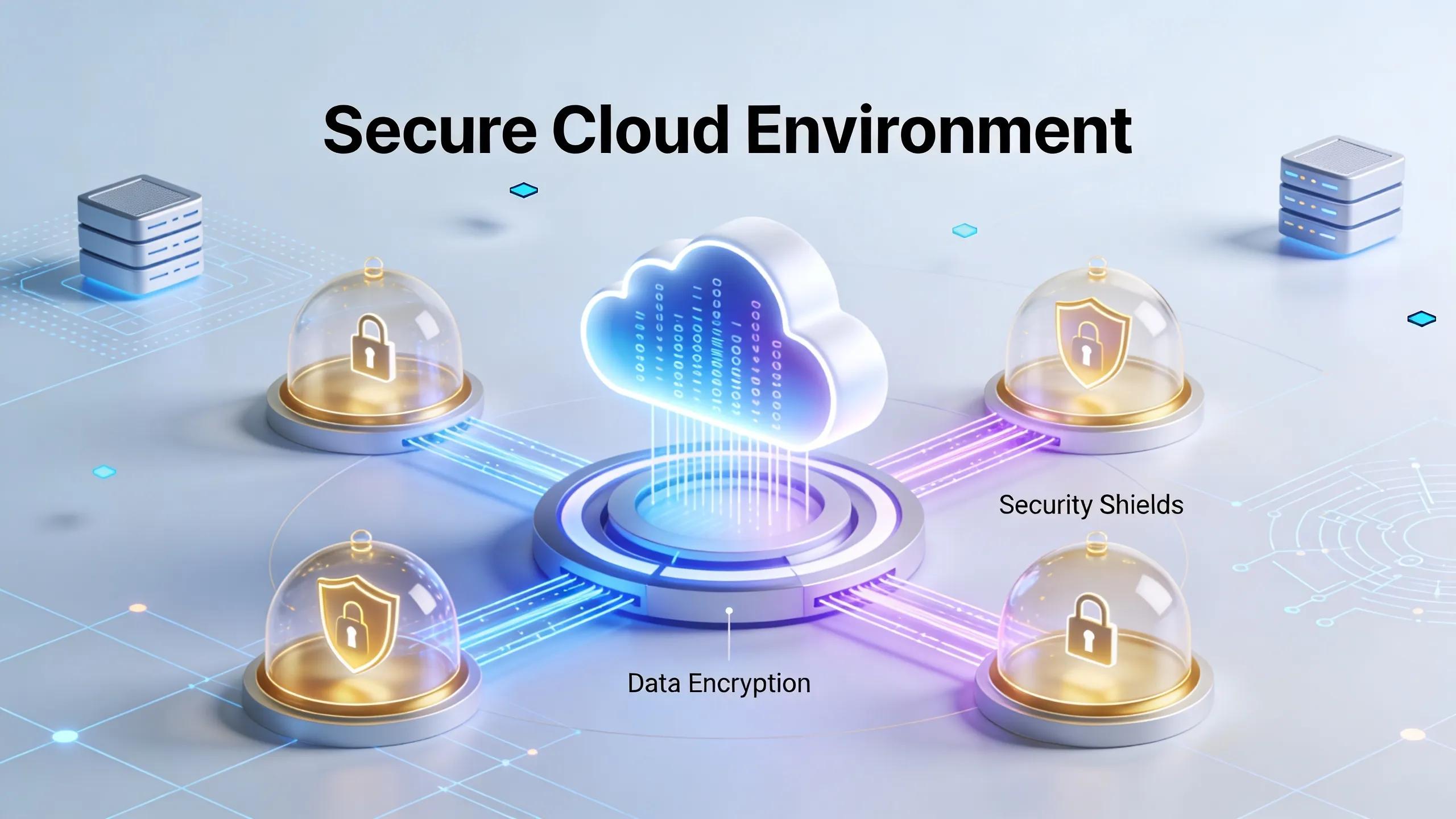
As cloud services become integral to business operations, evaluating security and compliance standards is more critical than ever. Organizations must ensure their chosen providers meet rigorous security certifications and compliance frameworks, safeguarding sensitive data.
To further understand how to quantify the trustworthiness of
Providers in security-critical contexts, examine this comprehensive evaluation framework.
Assessing Cloud Provider Trustworthiness: A Hybrid Framework
The rapid proliferation of cloud computing has revolutionized digital service provision; however, establishing the trustworthiness of Cloud Service Providers (CSPs) continues to pose a formidable challenge, particularly for sensitive workloads. This study introduces a novel hybrid evaluation framework designed to quantify CSP trustworthiness across multiple dimensions. The framework integrates a deterministic Multi-Attribute Trust Model (MATM) with a sophisticated Fuzzy Inference System (FIS). The MATM evaluates CSPs based on three critical attributes: Cost Efficiency (CE), Performance (P), and Reputation & Trustworthiness (RT).
A Hybrid Trust Evaluation Framework for Cloud Service Providers in Cybersecurity-Critical Environments, M Obiedat, 2026
Which Security Certifications Should You Prioritize When Choosing a Cloud Provider?
Prioritizing cloud providers that possess key security certifications, such as ISO 27001, HIPAA, and SOC 2, is essential for ensuring data integrity and compliance. AWS and Azure both acquire multiple certifications, demonstrating their commitment to security and adherence to international standards. GCP also maintains certifications relevant to several industries, highlighting its focus on data protection. Businesses should carefully assess these credentials to mitigate risks associated with cloud deployments.
What Are the Best Practices for Assessing Cloud Provider Security?
When evaluating the security of cloud providers, organizations should adopt the following best practices:
- Conduct Security Audits: Regularly review security protocols and measures in place.
- Assess Encryption Methods: Confirm that effective encryption processes are utilized both in transit and at rest.
- Monitor Compliance Status: Stay informed about the provider’s compliance with relevant industry standards and regulations.
By implementing these practices, organizations can enhance their cloud security framework considerably.
What Are the Pricing Models and Cost Optimization Strategies for Cloud Providers in 2026?
Pricing models play a significant role in determining the overall cost-effectiveness of cloud solutions. Understanding the various pricing strategies available can facilitate better budget management and avoid unexpected costs.
How Do Pay-as-You-Go and Subscription Pricing Affect Cloud Costs?
Cloud providers offer different pricing structures, such as pay-as-you-go and subscription-based models. Pay-as-you-go pricing allows organizations to pay only for the resources they consume, offering flexibility for businesses with fluctuating demands. In contrast, subscription pricing provides predictable costs and often includes access to additional support services, which can benefit enterprise customers by ensuring consistent service without variability in costs.
What Cost-Saving Techniques Can Businesses Use When Selecting a Cloud Provider?
To optimize costs while ensuring effective implementation, consider these techniques:
- Leverage Reserved Instances: Commit to long-term usage for discounts on service costs.
- Audit Resource Utilization: Regularly assess the utilization of cloud resources to eliminate waste.
- Seek Pricing Transparency: Ensure clarity on all potential hidden costs associated with your plan.
By effectively utilizing these strategies, organizations can significantly lower their cloud expenditures while maximizing resource efficiency.
How Can Vendor Lock-In and Migration Challenges Impact Your Cloud Provider Choice?
Vendor lock-in presents a risk when companies become overly reliant on specific cloud platforms, potentially hindering their ability to switch providers without substantial cost or effort. Understanding this challenge is crucial when choosing a provider.
What Are the Risks of Vendor Lock-In Across Major Cloud Platforms?
Vendor lock-in can lead to higher operational costs and complications during migration as organizations depend on proprietary technologies exclusive to their cloud provider. This reliance can result in limited flexibility and added difficulty if a business decides to switch providers or implement hybrid solutions in the future. Analyzing these risks and choosing a provider with interoperability options might mitigate potential lock-in scenarios.
Which Migration Strategies Minimize Downtime and Data Loss?
To minimize downtime and data loss during cloud migrations, businesses can implement the following strategies:
- Conduct a Pilot Migration: Test the migration process with a small subset of data before full implementation.
- Utilize Automated Tools: Leverage cloud migration tools that offer streamlined processes for data transfer.
- Prepare for Rollback Plans: Ensure a backup plan is in place if migration does not go as intended, allowing for quick restoration of services.
For a more detailed analysis on migrating to the cloud with an emphasis on bolstering security and control, consider the following comprehensive framework.
A Cloud Computing Migration Framework for Enhanced Security
Cloud computing enables businesses to rapidly adapt to dynamic and competitive environments. This paper introduces an enhanced seven-phase migration framework, primarily designed to bolster security and control, particularly during the post-migration phase. A Comprehensive Analysis of Cloud Framework for Effective Cloud Migration: Evaluating Requirements, Providers, and
Monitoring Tools, M Vardar, 2025
By adopting these strategies, organizations can navigate the migration process efficiently and reduce associated risks.
What Emerging Trends Should You Consider When Choosing a Cloud Provider in 2026?
Staying informed about emerging trends is essential for future-proofing your cloud strategy. As technology advances, new facets of cloud services will begin to influence provider selection.
How Are AI and Edge Computing Influencing Cloud Service Offerings?
Artificial Intelligence (AI) and edge computing innovations are reshaping cloud service offerings. AI allows for enhanced analytics, enabling deeper insights from data while improving automation processes. Cloud providers are beginning to integrate AI services into their platforms, offering businesses tools that streamline operations. Meanwhile, edge computing advances allow for data processing closer to the source, reducing latency and improving load times. Such capabilities are becoming essential to businesses requiring real-time data processing and situational responsiveness.
Why Is Sustainability Becoming a Key Factor in Cloud Provider Evaluation?
Sustainability is increasingly recognized as a critical component in evaluating cloud providers. Many organizations are prioritizing vendors that demonstrate commitment to sustainable practices, such as using renewable energy sources and reducing carbon footprints. As environmental considerations become more prominent, selecting a cloud provider aligned with sustainability goals can significantly influence brand reputation and regulatory compliance.
Which Real-World Case Studies Illustrate Successful Cloud Provider Choices in 2026?
Real-world case studies can provide invaluable insights into how different businesses have successfully implemented cloud strategies. Examining these experiences can illuminate the benefits and opportunities that arise from informed cloud provider choices.
What Are Examples of Enterprises Benefiting from Multi-Cloud and Hybrid Cloud Strategies?
Many enterprises have adopted multi-cloud and hybrid cloud strategies to leverage the strengths of various providers while avoiding vendor lock-in. For example, a financial services company might utilize AWS for application hosting while relying on Azure for compliance-driven data processing. This strategic division enables organizations to optimize costs while maximizing capabilities across providers.
How Do Industry-Specific Cloud Solutions Affect Provider Selection?
Industry-specific cloud solutions offer tailored capabilities that can add value in fields such as healthcare, finance, or retail. Cloud providers that cater to specific sectors often include compliance tools and industry best practices, simplifying regulatory adherence. By choosing a provider with specialized offerings, businesses can ensure they meet industry requirements while enhancing operational efficiency and innovation.
Frequently Asked Questions
What factors should I consider for cloud scalability in my business?
When evaluating cloud scalability, focus on the provider’s auto-scaling capabilities, load balancing features, and performance metrics. Ensure the cloud service can accommodate fluctuating workloads, which is essential for growing businesses. Additionally, consider the technical limits of each service, such as maximum instance types or data transfer limits, to ensure alignment with your future business demands and operational needs. A provider with robust scalability options will help prevent downtime during peak periods and maintain optimal performance.
How does vendor lock-in affect future cloud decisions?
Vendor lock-in can severely impact your organization’s flexibility and mobility. It often results in higher costs and challenges in switching providers due to proprietary technologies. Choosing a provider that supports open standards and hybrid solutions can mitigate these risks. Evaluate potential migration challenges and develop a strategy that prioritizes interoperability, ensuring that your cloud environments remain adaptable and can evolve with your business needs.
What role does compliance play in selecting a cloud provider?
Compliance is critical when selecting a cloud provider, especially for businesses that handle sensitive data. Providers must adhere to industry-specific regulations like HIPAA for healthcare or PCI-DSS for payment processing. Ensuring that your provider maintains relevant certifications demonstrates their commitment to security and regulatory adherence. This consideration not only protects your data but also enhances your organization’s credibility and trust with clients and stakeholders.
Which migration strategies can help with minimizing data loss?
To minimize data loss during cloud migration, consider implementing a phased approach that includes pilot testing on non-critical data. Utilizing automated migration tools can streamline data transfer, reducing the risk of human error. Have comprehensive backup and rollback plans in place to restore services quickly if any issues arise. Planning and testing are crucial to ensure a smooth transition and maintaining data integrity throughout the process.
How can AI and edge computing enhance cloud services?
AI and edge computing significantly enhance cloud services by improving operational efficiency and enabling real-time data processing. AI tools offer advanced analytics, helping businesses derive actionable insights from vast datasets. Meanwhile, edge computing reduces latency by processing data closer to the source, improving service delivery. Adopting these innovations allows organizations to respond quickly to changing conditions while benefiting from enhanced analytical capabilities.
What cost management techniques should I use with cloud services?
Effective cost management in cloud services can be achieved through several strategies. First, leverage reserved instances for potentially significant discounts compared to on-demand pricing. Regularly auditing resource utilization can help identify and eliminate waste, ensuring you only pay for what you need. Additionally, ensure transparency in pricing structures to avoid unexpected costs, helping budget more effectively. These practices will assist in maximizing both your cloud service value and operational efficiency.
Conclusion
In 2026, selecting the right cloud provider becomes essential for businesses to enhance scalability, security, and cost-efficiency. Understanding the key features and compliance standards of leading platforms like AWS, Azure, and Google Cloud empowers organizations to make informed choices tailored to their needs. As you navigate your options, consider leveraging our resources to strengthen your cloud strategy. Dive into our comprehensive guides and make the best decision for your company’s digital future.